


We would love to be able to use preservatives in our products that are both highly effective and widely recognized as safe. After experiencing unexpected skin reactions ourselves, and hearing similar concerns from customers, we began to look more closely at ingredients that are commonly described as “safe” in personal care products.
What we found was not always reassuring. In many cases, long-term independent research was limited, conflicting, or difficult for consumers to access. This made it increasingly challenging to confidently recommend certain products without asking deeper questions about how these ingredients may affect the body over time.
Article Update: This article was originally researched and written in July 2016 by both Tober and Rob, and was updated March 2026. It has since been carefully reviewed and updated to reflect more recent scientific findings, regulatory information, and dermatology research where appropriate. While the overall concerns discussed remain relevant, evolving evidence and improved understanding of ingredient safety have been incorporated to provide readers with the most current perspective available at the time of this update.
We often speak up about the fact that some individuals genuinely experience allergic or sensitivity reactions to certain preservative ingredients. This is a topic we care deeply about, in part because of our own personal experiences with unexpected skin reactions. However, beyond acknowledging that these ingredients may not be suitable for everyone, we have sometimes hesitated to say more, largely because chemical sensitivities are still not always taken seriously.
In our experience, allergies in general are often underestimated by those who have never had to manage them personally or through a loved one. While severe food allergies are more widely recognized as potentially life-threatening, reactions to personal care ingredients are sometimes dismissed as minor or unavoidable. Yet for people with sensitive or reactive skin, repeated exposure can significantly affect daily comfort and quality of life.
Early anecdotal estimates sometimes suggest that only a small percentage of people react to preservative ingredients, but the dermatology literature paints a more complicated picture. In a large North American patch-test analysis, 22.3% of patients being evaluated for contact dermatitis had a positive reaction to at least one preservative, and a more recent hospital-based study found overall preservative allergy rates of about 9% to 10.2% over time.1,2 That does not mean that this percentage applies to the general public. It means that, among people already having skin problems severe enough to be tested, preservatives show up again and again as an important cause. It also means these numbers are probably incomplete in another way: patch-test panels only include selected preservatives and related allergens, not every preservative currently used across lotions, shampoos, makeup, wipes, and other personal care products. So while some ingredients appear more likely to trigger reactions than others, the real-world problem may be broader than any single study can capture.
Even if you have never noticed an obvious allergy or sensitivity to these types of additives, there may still be valid reasons to think carefully about repeated exposure. Some reactions are subtle, delayed, or mistaken for everyday skin concerns such as dryness, irritation, or breakouts. Because personal care products are often used daily and over many years, it can be difficult to recognize when an ingredient may be contributing to ongoing skin discomfort or other unwanted effects. Ultimately, the decision about what to use is a personal one, but many health-conscious consumers choose to give thoughtful consideration to what they apply to their skin, just as they do to what they eat.
Many common personal care products, including soaps, lotions, shaving preparations, and anti-aging treatments, contain preservative or stabilizing ingredients that most people never notice. These substances are often listed under unfamiliar or technical names that can make it difficult for consumers to understand what they are or why they are used. While scientific research has raised questions about the long-term safety of certain ingredients, risk is not always straightforward and depends on factors such as dose, frequency of use, and individual susceptibility. The fact that some chemicals are present in small amounts does not automatically eliminate concern, particularly when exposure occurs repeatedly over time. For this reason, some consumers prefer to minimize unnecessary exposure when suitable alternatives are available.
Ingredients that are designed to slow the growth of bacteria, yeast, or mold are useful for keeping products stable and preventing contamination. However, this does not automatically mean they are completely neutral when they come into frequent contact with human skin. The skin is a living, responsive organ, and some individuals may experience irritation or sensitivity when exposed to certain preservatives or antimicrobial ingredients, especially with repeated use.
Another factor that is sometimes overlooked is how often personal care products are applied throughout the day. Many people use multiple items such as cleansers, moisturizers, deodorants, shaving products, cosmetics, or sanitizing products on a regular basis. Even when each product contains only small amounts of a particular ingredient, repeated exposure from several different sources can add up. Scientists continue to study how the body processes and eliminates various cosmetic ingredients, including whether some may persist longer in fatty tissues or interact with the skin’s natural barrier. Because of these uncertainties, some consumers choose to take a cautious approach by reducing unnecessary exposure when practical alternatives are available.
We have spent many hours reviewing scientific literature on commonly used cosmetic ingredients, often comparing findings across multiple studies to better understand what is known and what remains uncertain. This process included looking at how research was designed, whether appropriate comparison groups were used, and whether the conclusions were supported by the actual results. Evaluating scientific evidence in this way can be time-consuming and is not always straightforward, especially for consumers without a background in science. For that reason, we have aimed to present a simplified overview of key findings in this article, along with references for readers who wish to explore the research more deeply.
Among the resources consulted were major biomedical research databases such as PubMed, which is maintained by the U.S. National Library of Medicine and provides access to peer-reviewed scientific publications. We also reviewed publicly available chemical safety summaries and toxicology information where available. In many cases, however, detailed long-term safety data on cosmetic ingredients can be limited, difficult to interpret, or scattered across different scientific disciplines. Because of this, understanding the potential effects of certain ingredients may require looking beyond product marketing claims and into broader toxicology and dermatology research.
While online sources such as general reference websites can sometimes help explain basic terminology, they should be viewed as starting points rather than definitive authorities. Consumers who wish to make more informed decisions about personal care products may benefit from becoming familiar with ingredient labels and seeking out reliable scientific or medical information when questions arise.
The sections that follow discuss several categories of ingredients that are commonly used in personal care products and summarize areas of scientific concern that have been raised in the research literature. This discussion is not meant to be exhaustive, and newer variations or alternative compounds continue to emerge over time.
Parabens
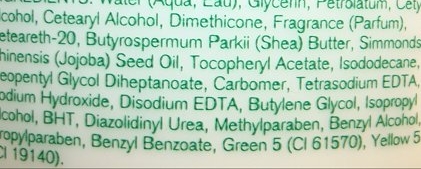
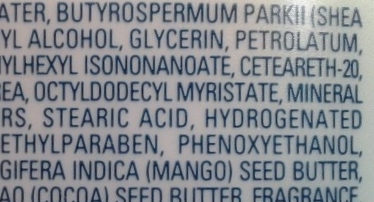
Several types of parabens are widely used as preservatives in personal care products, including methylparaben, propylparaben, ethylparaben, and butylparaben.3 Because their names share the same ending, consumers who wish to identify them on ingredient labels can often do so by simply looking for words that end in “paraben.” These ingredients are chemically related and are used for similar purposes, mainly to slow the growth of bacteria and mold so products can remain stable on store shelves for extended periods of time. Preservatives are added primarily to protect the product during storage and distribution, not necessarily to provide a direct benefit to the person using it.
Scientific concern about parabens has grown because research has shown that these compounds can interact with hormone-related signaling systems in the body. Some laboratory studies have demonstrated estrogen-like activity,4 and observational research has detected measurable levels of parabens in human breast tissue.5 These findings have raised questions about how repeated daily exposure from multiple personal care products may contribute to overall chemical burden over time.3,5
Additional experimental research has suggested that certain parabens can affect cellular processes involved in growth regulation and may influence mammary tumor growth under some laboratory conditions.7 Animal studies have also reported effects on reproductive hormones and sperm development at higher exposure levels.6 While these findings do not prove that everyday cosmetic use causes the same outcomes in humans, they do show that parabens are biologically active ingredients rather than completely inert ones. For consumers who prefer to take a precautionary approach, cumulative exposure from multiple products is worth paying attention to.
Formaldehyde
Formaldehyde has long been used in medical, laboratory, and mortuary settings because of its ability to slow biological decay and preserve tissues. That alone should make people stop and think before casually accepting its presence in beauty and personal care products. Yet formaldehyde, and preservatives that slowly release it over time, can still show up in products that are applied directly to the body, including some hair smoothing or straightening treatments.8,9
Major public health authorities classify formaldehyde as a known human carcinogen based largely on long-term inhalation studies in workers with higher exposure levels.8,10 Research has linked formaldehyde exposure to cancers of the nasal cavity, paranasal sinuses, and nasopharynx, as well as myeloid leukemia.10 Formaldehyde is also a well-recognized skin sensitizer and can trigger irritation or allergic contact dermatitis in susceptible individuals.11,12
Exposure is not limited to breathing it in. Products used near the mouth can be incidentally swallowed, and products applied to the hands can end up being transferred to food or ingested during normal daily habits. Real-life use is messy, and it does not always fit neatly into the assumptions used in safety models. Add to that the fact that many people use multiple personal care products every day, and repeated small exposures can start to matter more than they appear to at first glance.13
Laboratory research has shown that formaldehyde can damage cells through oxidative stress, DNA-protein cross-linking, and other forms of molecular injury.14 These biological effects help explain why formaldehyde continues to raise concern in both cancer research and dermatology. And this concern is not shared equally. Certain beauty practices, especially the use of some hair straightening or smoothing products, can create higher exposure for salon workers and consumers, and those exposure patterns may fall more heavily on communities already targeted by aggressive beauty marketing.9,15
Consumers who want to reduce formaldehyde exposure should also know that it does not always appear on a label simply as “formaldehyde.” A number of preservatives can release formaldehyde slowly over time as part of their antimicrobial action. Common formaldehyde-releasing preservatives include DMDM hydantoin, imidazolidinyl urea, diazolidinyl urea, quaternium-15, bronopol, sodium hydroxymethylglycinate, benzylhemiformal, glyoxal, and methenamine.17,18,19 This list is not all-inclusive, which is one more reason it is important to research ingredients you do not recognize rather than assuming an unfamiliar name must be harmless. Some of these are discussed further below, so keep reading.
For a chemical best known for preserving tissues and carrying a well-established carcinogenic classification, formaldehyde has no business being treated like just another harmless cosmetic ingredient.
Diazolidinyl Urea
Diazolidinyl urea is commonly used as a preservative in personal care products, and it functions in part by slowly releasing formaldehyde over time.17 It is chemically related to imidazolidinyl urea, which works in a similar way. The amount of formaldehyde released can depend on factors such as the specific product formula, storage conditions, temperature, and how long the product has been sitting on the shelf.18 This means consumers are not simply being exposed to a single ingredient, but potentially to a preservative system that changes over time and with real-world use.
For individuals who already know they are sensitive to formaldehyde, ingredients like diazolidinyl urea may increase the likelihood of irritation or allergic contact dermatitis.17 Even for those who do not experience obvious reactions, repeated exposure from multiple products raises reasonable questions about cumulative contact with biologically active substances.
Midazolidinyl Urea
Imidazolidinyl urea is another preservative that belongs in this same category. Like diazolidinyl urea, it can release small amounts of formaldehyde as part of its antimicrobial function.17 Dermatology research has identified both of these ingredients as potential contributors to allergic contact dermatitis in sensitive individuals. Because they are often used in lotions, creams, and other leave-on products, exposure may occur repeatedly throughout the day.
DMDM Hydantoin
DMDM hydantoin is frequently found in shampoos, conditioners, liquid soaps, and other water-based personal care products. It is also classified as a formaldehyde-releasing preservative and has been associated with allergic contact dermatitis, particularly in people who already react to formaldehyde.17 In some cases, individuals may react directly to the preservative itself or to its breakdown products rather than to formaldehyde alone.
Many preservatives in this group work by creating conditions that are hostile to microbial growth. While this helps extend product shelf life, it does not automatically mean these ingredients are biologically neutral to human skin. For people with known sensitivities, avoiding formaldehyde-releasing preservatives may be especially important. For others, the issue becomes one of overall exposure: how many such ingredients are used each day, in how many different products, and for how many years.

Sodium Hydroxymethylglycinate
Sodium hydroxymethylglycinate is one of those ingredients that sounds newer, gentler, or somehow less concerning than formaldehyde, but it belongs in the same conversation. It is a formaldehyde-releasing preservative used in a wide range of personal care products, including shampoos, conditioners, soaps, moisturizers, and wipes.19 That means a consumer scanning a label may think they have avoided formaldehyde, when in reality they may still be buying a product preserved by a chemical designed to release it over time.
This matters because sodium hydroxymethylglycinate has been discussed in the dermatology literature as a potential cause of sensitization and allergic contact dermatitis, especially in people who are already sensitive to formaldehyde or related preservatives.19,20 So while the name may sound different, the concern is familiar: yet another preservative system that may quietly expose people to a substance many of them are specifically trying to avoid.
Triethanolamine (TEA, TEOA)
Triethanolamine is commonly used in personal care products to adjust pH levels, help oil and water mix together, and improve the texture or feel of creams and lotions.21 It is not considered a strong preservative, yet it still appears in many formulations. This raises a reasonable question for consumers: if an ingredient is not especially effective at preserving a product and has been shown to cause irritation or allergic reactions in some people, why is it so widely used?
Animal research has reported skin irritation and tissue changes at higher topical exposure levels, and human patch-testing studies suggest that a small but meaningful percentage of individuals may develop sensitivity to triethanolamine.22,23 While these percentages may appear low at first glance, they translate into very large numbers of affected consumers when an ingredient is used across countless products worldwide.
For people trying to minimize unnecessary chemical exposure, ingredients like triethanolamine highlight a broader concern. Many formulation additives are included primarily for product performance, shelf appeal, or manufacturing convenience rather than for any direct benefit to the person using the product. When similar ingredients appear across multiple products used daily, overall exposure can quietly accumulate over time.
Iodopropynyl Butylcarbamate (IPBC)
When I started digging into iodopropynyl butylcarbamate, what stood out almost immediately was how often it shows up in dermatology research on allergic contact dermatitis. In other words, this is not some rare or theoretical concern. There are real people reacting to this preservative.24,25
IPBC belongs to a broader chemical family called carbamates. Some compounds in that family are used in agricultural and industrial settings, which is unsettling enough on its own. Cosmetic-grade IPBC is not being used the same way or at the same strength, but it is still a biologically active preservative being added to products people put directly on their skin, often day after day.
Regulators have taken notice too. In the European Union, IPBC is not allowed in products for children under age three, except for bath products, shampoos, and products that are not intended for oral care. It is also not allowed in oral and lip products.26 That alone should make consumers stop and ask questions. If there is enough concern to restrict it in products for very young children, why should anyone assume it belongs in products used on adult skin without a second thought?
At the end of the day, IPBC is there to protect the product, not the person using it. For people with sensitive skin, a history of dermatitis, or simply a desire to avoid unnecessary exposure to reactive preservatives, this is another ingredient worth reading twice before buying.
Phenoxyethanol
Phenoxyethanol is a glycol ether preservative commonly used in cosmetics, medications, and other personal care products. It is often marketed as a modern alternative to parabens, which has helped drive its widespread use. But just because something replaces a controversial ingredient does not automatically mean it is harmless.
Research has shown that phenoxyethanol can be absorbed through the skin and processed by the body. Toxicology studies have also reported harmful effects at sufficiently high exposure levels, including impacts on the liver, kidneys, and red blood cells.27 While these effects were observed at doses higher than what would be expected from a single use of a cosmetic product, most people do not use just one product. Daily exposure from multiple sources over long periods of time is rarely studied in a way that reflects real-world use.
Phenoxyethanol is also part of the broader glycol ether chemical family. Some compounds in this family have raised health concerns in occupational and environmental research, which naturally makes consumers wonder how much long-term exposure to related ingredients is truly safe. Even if phenoxyethanol itself behaves differently from other glycol ethers, its chemical relationship to that group is one more reason some people choose to limit repeated exposure.
There are also specific safety concerns worth noting. Regulatory warnings have highlighted risks associated with ingestion exposure in infants, particularly when products containing phenoxyethanol are applied in ways that could lead to swallowing.28 In addition, dermatology research has documented cases of allergic contact dermatitis linked to this preservative.29 These reactions may not be extremely common, but when an ingredient is used across a wide range of products, even a small percentage can represent a significant number of affected individuals.
Phenoxyethanol is added primarily to protect the product from microbial growth, not to benefit the person using it. Because it appears in so many everyday products, the potential for repeated and cumulative exposure can become quite high if consumers are not carefully reviewing ingredient lists across everything they use. For that reason alone, it is another preservative worth paying attention to.

Polysorbate 20
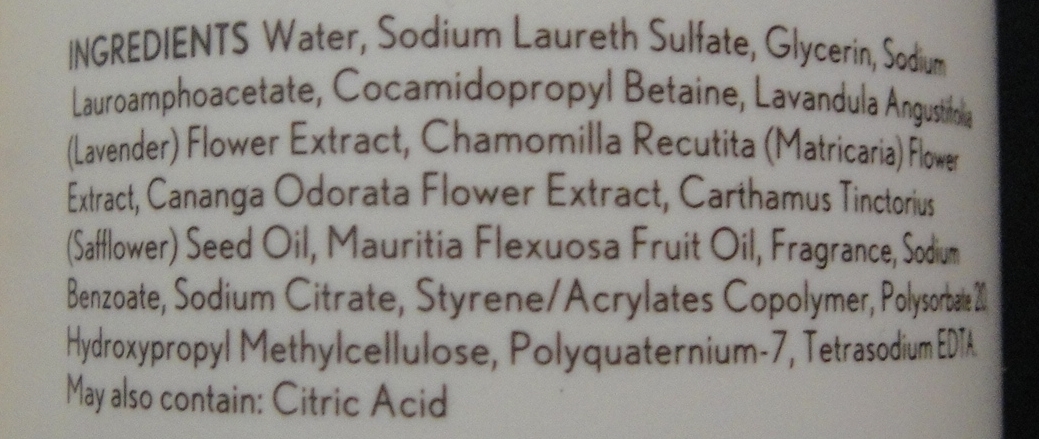
Polysorbate 20 is a non-ionic surfactant and emulsifier commonly used in personal care products to help oil and water mix together and to improve the texture, spreadability, and overall feel of creams, lotions, and cleansers.30 It is produced through a chemical process known as ethoxylation, which creates compounds structurally related to polyethylene glycol (PEG). Because of this relationship, concerns surrounding PEG-containing ingredients are relevant when considering the potential effects of polysorbate 20.
This ingredient is often described as relatively “inert” in cosmetic use. However, the term inert can be misleading when discussing substances that are applied repeatedly to permeable human skin. Research has increasingly documented immune reactions associated with PEG-related compounds, including cases in which the body produces antibodies that recognize PEG structures.31 These findings demonstrate that PEG-derived ingredients are capable of interacting with the human immune system in meaningful ways.
Another important consideration is that allergic or immune responses are not always immediate or obvious. Biological effects can occur beneath the surface long before visible symptoms appear. Repeated exposure over time, particularly when the same or similar ingredients appear across multiple products used daily, may increase the likelihood of sensitization or other unwanted reactions.
Polysorbate 20 is typically included to improve product performance and shelf stability rather than to provide a direct benefit to the person using it. For consumers who prefer to minimize exposure to ingredients that may interact with the immune system, awareness of PEG-related compounds such as polysorbate 20 is an important part of making informed choices.
Bronopol
Bronopol was once a very popular preservative in personal care products and industrial applications because of its effectiveness at preventing microbial growth. Over time, however, concerns emerged about its chemical breakdown products. Under certain conditions such as dilution in water, exposure to higher temperatures, or shifts in pH, bronopol can decompose and release formaldehyde.32 Since formaldehyde exposure has already been discussed earlier in this article, this connection alone may be enough to make some consumers cautious about repeated use.
Another concern raised in the scientific literature involves the potential formation of nitrosamines during degradation or interaction with other ingredients. Nitrosamines are a large group of genotoxic compounds that have been studied for their carcinogenic potential in environmental and dietary exposures.33 While the exact level of risk from cosmetic use can depend on formulation and frequency of exposure, the possibility of generating additional biologically active byproducts is one reason bronopol has declined in popularity in more recent formulations.
Bronopol also contains bromine as part of its chemical structure. The presence of bromine does not automatically make a compound unsafe, but some brominated organic chemicals have raised toxicological concerns. For consumers trying to simplify ingredient choices, this can add another layer of uncertainty when evaluating preservatives that were originally adopted before long-term safety questions were fully explored.
This history highlights an important pattern in product formulation. Ingredients that once appeared innovative and effective can later raise safety questions after years or decades of widespread use. For that reason, some consumers prefer to approach newer preservatives cautiously and to favor simpler formulations when practical alternatives are available.
Bronidox
Bronidox is another antimicrobial preservative that is chemically related to bronopol and is used to inhibit microbial growth in certain formulations. Compared with bronopol, there is less publicly available toxicology research specific to cosmetic exposure scenarios. However, because it shares structural similarities and antimicrobial mechanisms with other brominated preservatives, similar questions about degradation products and long-term exposure have been raised.34
Research suggests that compounds in this category may also contribute to formaldehyde release under certain formulation conditions. As discussed earlier, repeated exposure to formaldehyde-releasing preservatives is already a concern for individuals with sensitivities or those attempting to limit cumulative exposure from multiple daily-use products. Awareness of preservative chemistry and its potential byproducts can help consumers make more informed and cautious product choices.
Benzalkonium Chloride
Benzalkonium chloride, often abbreviated as BZK, BKC, BAC, or ADBAC, is a quaternary ammonium compound used for its antimicrobial properties in a wide range of products, including disinfectants, hand sanitizers, nasal sprays, eye drops, and some personal care formulations.35,36 Because it is so effective at killing microbes, it has been used for decades in both medical and consumer products. But effectiveness against microbes does not automatically mean it is gentle on human tissue.
Benzalkonium chloride is well known in medical literature as an irritant to the skin, eyes, and respiratory tract.36,37,38 In eye drops, it is used at very low concentrations because higher or repeated exposure can damage the corneal surface and disrupt the tear film.37,38 That alone should tell us this is not some harmless background ingredient. It is biologically active and capable of affecting living tissue.
There are also concerns about repeated exposure. Research has linked benzalkonium chloride and related quaternary ammonium compounds to irritation, contact dermatitis, and respiratory effects in some settings, especially when exposure is frequent or occupational.36,39,40 Chronic use in products such as certain nasal sprays or disinfecting products may be especially relevant for people who are already sensitive or who are exposed through multiple routes.
This became even more relevant after COVID-19, when antimicrobial hand sanitizers and disinfecting products became part of everyday life for many households and workplaces. Early in the pandemic, FDA noted that when soap and water were not available, CDC recommended alcohol-based hand sanitizers containing at least 60% ethanol, but many consumers were also exposed to other antimicrobial formulations during that period.41 That surge in sanitizer and disinfectant use meant more repeated contact with tissue-active antimicrobial chemicals, often on already irritated skin or in poorly ventilated indoor spaces. It is more than a little ironic that chemicals used in the name of public health can create their own health questions when exposure becomes constant.
While benzalkonium chloride is still permitted in certain applications at controlled concentrations, the bigger issue for consumers is cumulative exposure. When the same antimicrobial ingredient shows up in hand products, nasal products, eye products, disinfecting products, and more, it becomes much easier to underestimate how often the body is actually encountering it. For people who prefer to limit repeated contact with strongly antimicrobial and tissue-active chemicals where alternatives exist, benzalkonium chloride is another ingredient worth approaching with caution.
Zinc Pyrithione
Zinc pyrithione is one of those ingredients that sounds harmless at first because it contains the word “zinc.” But that can be misleading. This ingredient has been widely used in dandruff shampoos and some antifungal products because it helps suppress fungal and microbial growth. It has also been used outside of cosmetics, including in paints and coatings, which should at least make consumers stop and think about how biologically active it really is.
Research has shown that zinc pyrithione can trigger oxidative stress and other forms of cellular damage in skin-related laboratory models. Studies have reported effects such as DNA damage, mitochondrial stress, and cell death under certain exposure conditions, helping to explain why this ingredient has drawn increasing scrutiny.42
Regulatory concern has also grown. In the European Union, zinc pyrithione was banned from cosmetic products in 2022 after being classified as a reproductive toxicant, even though it had long been used in anti-dandruff shampoos.43 That does not automatically define the exact level of risk from every past use, but it does make one thing clear: this is not an ingredient regulators considered harmless enough to leave unaddressed.
For consumers, that matters. An ingredient used to kill microbes or fungi is not necessarily doing so in a way that is gentle to living human tissue. When the same ingredient appears in products used repeatedly on the scalp or skin, it becomes reasonable to question whether the convenience of shelf-stable treatment products is worth the added exposure. Those results would not exactly line up with anyone’s idea of healthy skin care.

Triclosan
Triclosan is another antimicrobial and antifungal chemical that has been widely used in both medical settings and consumer products such as liquid soaps, toothpastes, and other personal care items. At first glance, it may sound reassuring that triclosan works by interfering with fatty acid production in bacteria, a process that does not occur in exactly the same way in human cells. But the story does not end there.
Scientific research has raised questions about whether triclosan can interfere with hormone systems in the body. Some studies suggest that it may interact with estrogen and androgen receptors or influence thyroid-related pathways, although the full implications of these findings are still being investigated.44 When a chemical shows the ability to bind to hormone receptors, even weakly, it is reasonable to ask what repeated long-term exposure could mean for human health. These are not minor systems in the body. Hormones regulate development, metabolism, reproduction, and overall physiological balance.
At the same time, real-world effectiveness has also been questioned. Regulatory reviews have concluded that consumer antibacterial soaps containing triclosan do not provide a clear added benefit over washing with plain soap and water.45 In other words, people may be exposing themselves to a biologically active chemical without receiving any meaningful improvement in hygiene.
Environmental concerns add another layer to the discussion. Triclosan has been detected in waterways and wildlife, where its persistence and antimicrobial activity raise questions about broader ecological effects.46 When a chemical is used so widely that it begins to accumulate outside the human body as well as within it, that is usually a signal that more caution and scrutiny are warranted.
Taken together, the lack of clear consumer benefit, the potential for hormonal interactions, and the growing environmental footprint make triclosan another ingredient worth questioning before assuming it belongs in everyday personal care products.
Butylated Hydroxytoluene (BHT)
Butylated hydroxytoluene, better known as BHT, is a synthetic antioxidant added to both food and personal care products to slow spoilage and extend shelf life. You can find it in breakfast cereals, snack foods, baked goods, and also in creams, lotions, and cosmetics. From a manufacturing perspective, it works extremely well. From a human health perspective, the story is not nearly as reassuring.
I will be honest. I have a personal vendetta against BHT. It is everywhere. Not just in the occasional processed food, but in everyday products people use without even realizing how often they are being exposed. When the same chemically active preservative shows up in what you eat and what you put on your skin, cumulative exposure becomes a very real concern.
Scientific research over the years has raised multiple red flags. Some laboratory studies have suggested tumor-promoting activity under certain exposure conditions,47 while others have reported harmful effects on liver structure and function at higher intake levels.48 More recent work has also explored hormone-related effects, including findings that BHT may interfere with normal androgen signaling pathways.49 Hormones regulate critical processes such as metabolism, reproduction, and development, so any compound that can influence these systems deserves careful scrutiny.
Another important point is that regulatory approaches to BHT are not consistent worldwide. Some countries and regulatory bodies have restricted or limited its use in certain applications, while others continue to permit it within defined exposure limits.50,51 That kind of mixed global response should at least make consumers pause before assuming the ingredient is universally considered safe.
Because BHT is added primarily to protect products rather than to benefit the person using them, it may be worth reconsidering how often we are willing to consume or apply products that contain it. When you see BHT listed in a favorite snack or dessert, it might be a reminder that moderation is not just about calories or sugar. It may also be about reducing unnecessary exposure to synthetic preservatives that were designed to protect shelf life, not human biology.
Methylchloroisothiazolinone
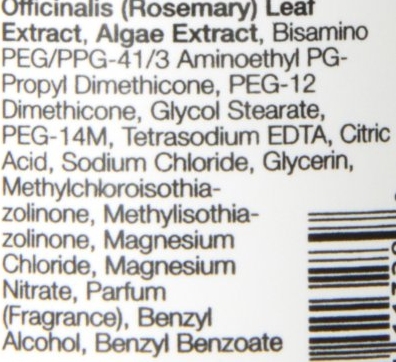
Methylchloroisothiazolinone, often paired with methylisothiazolinone, is one of those preservatives that should make consumers pay attention. It has been used for decades in personal care and household products because it is effective at stopping microbial growth. The problem is that dermatologists have also spent years identifying it as a significant cause of allergic contact dermatitis, and not just in adults with obvious chemical sensitivities.52,53
This is not just a theoretical issue or a reaction seen only in people working around industrial chemicals. The methylchloroisothiazolinone/methylisothiazolinone preservative system has been recognized as a common allergen in patch testing, and pediatric cases linked to wet wipes and other everyday products have also been documented.53,54,55 In other words, this ingredient has had plenty of opportunities to prove that it can be a problem in real life.
Regulators have taken this seriously. In the European Union, the methylchloroisothiazolinone/methylisothiazolinone mixture was banned in leave-on cosmetic products, and methylisothiazolinone itself was later banned in leave-on cosmetics and restricted in rinse-off products because of sensitization concerns.56,57 That alone should tell consumers that this is not some harmless little preservative that only causes trouble in rare edge cases.
When a preservative shows up over and over in the dermatology literature as a cause of skin reactions, and regulators start pulling it back from products designed to sit on the skin, it is reasonable to ask why it was ever used so casually in the first place. For people with eczema, chronic rashes, unexplained irritation, or children with stubborn dermatitis, this is absolutely an ingredient worth looking for on the label.
Methylisothiazolinone
Methylisothiazolinone belongs in the same conversation. It has repeatedly been identified as a strong sensitizer and has become well known in dermatology circles for causing allergic contact dermatitis in both adults and children.53,54,55 So while the name may sound technical and forgettable, it is another preservative that deserves far more consumer awareness than it usually gets.
Sodium Dehydroacetate
Sodium dehydroacetate is a preservative used in some personal care products to inhibit the growth of bacteria and fungi. Unlike many other preservatives discussed in this article, concern about this compound is tied to a different biological pathway. Compounds in the dehydroacetic acid family have been studied for their ability to interfere with vitamin K–related processes, which are essential for normal blood clotting.58
Vitamin K plays a critical role in preventing excessive bleeding by supporting the body’s natural coagulation mechanisms. When substances interfere with this pathway, the potential result can be impaired clotting or increased bleeding tendency under certain exposure conditions. While cosmetic exposure levels are not the same as pharmaceutical anticoagulant dosing, the fact that a preservative may interact with such an important physiological system raises understandable questions about long-term and cumulative exposure.
Preservatives like sodium dehydroacetate are included primarily to protect product stability and shelf life rather than to provide a direct benefit to the person using the product. For consumers who prefer to limit exposure to ingredients that may influence critical biological pathways such as blood clotting, this is another example of why reading ingredient labels and choosing simpler formulations can be an important part of informed self-care.
Benzoin
The term “benzoin” can be confusing because it may refer to different substances depending on how it is produced or labeled. Some forms are synthesized from benzaldehyde, while others are derived from natural resin sources and then refined into related compounds such as benzoic acid or sodium benzoate.59,60 Because labeling practices are not always clear about the exact source or processing method, it can be difficult for consumers to know precisely what type of ingredient they are being exposed to.
While concerns about mutagenicity or carcinogenicity have been investigated in the scientific literature, the more consistent issue reported with benzoin-containing products is allergic contact dermatitis. Both clinical reports and occupational exposure studies have documented significant skin reactions associated with benzoin preparations.61,62,63,64 These reactions can range from mild irritation to more severe inflammatory responses, particularly in individuals who are already prone to sensitivities.
Not everyone will react to benzoin, but sensitivity appears common enough in dermatology research to justify caution. For consumers who experience unexplained rashes, irritation from adhesives or sprays, or persistent skin reactions after using certain personal care or medical products, this is another ingredient worth considering as a possible trigger. In my own experience, and based on the available research, awareness and careful ingredient review are essential when deciding whether to use products containing benzoin-related compounds.
Iron Oxide
Iron oxides are widely used as color additives in cosmetics, including products marketed as “natural” makeup. Because they are composed of iron and oxygen, they are often assumed to be harmless. However, the biological effects of a substance depend not only on its basic chemical components but also on particle size, surface chemistry, and how it interacts with living tissue.
Of particular concern is the increasing use of iron oxide in nanoparticle form. Research has shown that certain engineered iron oxide nanoparticles can contribute to oxidative stress, inflammatory responses, and organ toxicity under experimental conditions.65,66 Additional toxicology studies have reported altered biodistribution patterns and evidence of liver injury following repeated exposure in animal models.67,68
These findings do not necessarily mean that all cosmetic uses of iron oxides carry the same level of risk. However, they do raise important questions about long-term exposure, cumulative dosing, and the growing trend toward smaller and more biologically reactive particle sizes. For formulators and consumers seeking to minimize unnecessary exposure to ingredients with emerging toxicological concerns, iron oxide is one more example of a substance that deserves careful evaluation rather than automatic acceptance based on marketing claims of “natural” origin.
Sodium Carbomer
Sodium carbomer is sometimes misunderstood as a preservative ingredient. In reality, it is primarily used as a thickening or gelling agent to modify the texture and stability of creams and lotions. Industry formulation resources note that products containing sodium carbomer still require a separate preservative system because this ingredient does not effectively prevent microbial growth on its own.69
Chemically, sodium carbomer is related to sodium polyacrylate, a highly absorbent polymer used in a variety of industrial and consumer applications where water retention or thickening properties are desired.70 From a toxicology standpoint, there is limited evidence suggesting major systemic harm from topical cosmetic exposure. However, its widespread use highlights an important formulation reality: many ingredients are included not because they benefit the skin directly, but because they improve product texture, appearance, or shelf performance.
For consumers seeking simpler formulations with fewer unnecessary additives, understanding the functional role of ingredients like sodium carbomer can help guide more informed purchasing decisions. If an ingredient does not nourish the skin or serve a meaningful protective function, some may reasonably question whether it needs to be there at all.
It is also important to remember that the absence of strong toxicity data today does not automatically mean an ingredient will always be considered harmless. Scientific understanding evolves over time as exposure patterns change and more long-term research becomes available. Many substances once widely accepted in consumer products were later restricted or reformulated after new evidence emerged. For consumers who prefer a precautionary approach, limiting exposure to ingredients that serve mainly cosmetic or textural purposes can be a reasonable and practical choice.
Dimethicone
Dimethicone is widely used in personal care products because of the silky, smooth feel it provides. It helps lotions spread more easily, gives creams a softer texture, and can leave the skin feeling temporarily conditioned. Chemically, dimethicone is a type of silicone polymer known as polydimethylsiloxane, which is generally considered biologically inert and functions primarily as a surface barrier or film-forming agent.71
Some toxicology research has suggested that dimethicone shows relatively low systemic toxicity under certain experimental conditions, even at fairly high concentrations in animal studies.72 However, low toxicity does not necessarily mean an ingredient provides meaningful skin health benefits. In most cosmetic formulations, dimethicone serves mainly to improve product texture, reduce moisture loss temporarily by forming a surface film, and create a perception of smoother skin rather than actively nourishing or repairing underlying tissue.
Dimethicone has also been used in medical and veterinary contexts, including treatments that work by physically coating parasites such as lice or fleas rather than chemically poisoning them.73,74 This illustrates how the ingredient functions primarily as a physical barrier substance. For consumers trying to understand what each ingredient contributes to a product, it is important to recognize that dimethicone is not included to preserve the product or to provide nutritional support to the skin. Its role is largely cosmetic and sensory.
For individuals who prefer simpler formulations or who are sensitive to film-forming silicones, this is another ingredient worth evaluating based on personal skin response and overall formulation goals.
It is also important to remember that the absence of clear toxicity data at present does not guarantee that future research will confirm long-term safety. Scientific understanding evolves as exposure patterns change and more comprehensive studies are conducted. Many ingredients once widely accepted were later reassessed as new evidence emerged. For this reason, some consumers choose to take a precautionary approach and remain attentive to ongoing research when making personal care choices.
Ammonium Sulfate / Ammonium Persulfate
Ammonium sulfate and ammonium persulfate are chemically related compounds that are sometimes used in cosmetic and personal care formulations, particularly in products such as hair treatments. While ammonium sulfate has various industrial and food-related uses, ammonium persulfate is a much stronger oxidizing agent and is widely used in chemical reactions and bleaching processes.75,76
Dermatology and occupational health research has repeatedly identified ammonium persulfate as a cause of allergic contact dermatitis and respiratory symptoms in exposed workers. Studies involving hairdressers and food industry workers have documented skin irritation, sensitization, and in some cases the development of asthma following repeated exposure.77,78,79,80 These real-world observations are important because they demonstrate that adverse reactions are not merely theoretical laboratory findings but can occur in everyday occupational settings.
From a formulation standpoint, ingredients that function primarily as strong oxidizing agents raise reasonable questions when included in products intended for routine skin contact. Oxidative processes are associated with cellular stress and tissue irritation, which is fundamentally at odds with the goal of supporting healthy skin. For consumers who experience unexplained scalp irritation, dermatitis, or sensitivity following exposure to hair or cosmetic products, ammonium persulfate is another ingredient worth considering when reviewing labels.
Conclusion of Part 1
While this list of preservatives and chemical additives is certainly not all inclusive, it does include many ingredients that are commonly found in personal care products. The goal of this article was not to provide an exhaustive toxicology review, but rather to give readers a practical starting point for understanding why certain ingredients may raise concerns. Ultimately, the decision about what you put on your body is yours. Personally, I prefer to understand what I am using and to feel confident that it aligns with my health priorities. Being able to recognize and understand ingredient names is an important first step toward informed choices.
It is true that modern labeling laws require manufacturers to disclose the ingredients used in their products. However, disclosure alone does not guarantee that consumers will recognize or understand the implications of what they are reading. Many ingredient names are highly technical or unfamiliar, and safety assessments may evolve as new scientific evidence becomes available. This means that informed consumers still need to take an active role in learning about the products they use rather than assuming that availability on store shelves automatically equates to long-term safety.
There are also broader considerations beyond individual use. Personal care chemicals do not simply disappear after they are washed down the drain. Production, widespread use, and environmental disposal all contribute to the presence of synthetic compounds in water systems and ecosystems. Studies have demonstrated that residues from personal care products can enter water supplies through treated and untreated wastewater, where some compounds may act as endocrine-disrupting substances.81 In some regions, environmental monitoring has suggested that cumulative contamination may already approach levels of concern.82
Human exposure is also measurable. Research examining lifestyle factors and urinary biomarkers has shown that individuals who regularly use products containing certain synthetic ingredients can have higher detectable levels of those compounds or their metabolites.83 This reinforces the idea that everyday choices about product use can influence overall chemical exposure.
Another question worth considering is what widespread reliance on these types of ingredients suggests about industry priorities. In some cases, their use may reflect convenience, product stability, or cost efficiency rather than a clear benefit to the consumer’s skin health. While many of these compounds have legitimate applications in medicine, manufacturing, or other specialized settings, routine daily use in personal care products is a separate issue. Ingredients that serve a valuable industrial or pharmaceutical purpose are not automatically appropriate for long-term, repeated skin exposure.
As with many aspects of health and environmental stewardship, moderation and context matter. Becoming aware of ingredient functions, questioning marketing claims, and choosing products thoughtfully can help reduce unnecessary exposure. In upcoming sections, we will examine newer preservative systems marketed as safer alternatives, as well as explore truly natural preservation strategies that may better align with long-term wellness goals.
For Health,
Tober
*These statements and educational materials have not been evaluated by the FDA.
References
1. Atwater AR, Petty AJ, Mowad CM. Contact dermatitis associated with preservatives: retrospective analysis of NACDG data 1994-2016. J Am Acad Dermatol. 2021;84(3):684-698.
2. Søgaard R, Johansen JD, Thyssen JP. Trends in contact allergy to preservatives. Contact Dermatitis. 2025.
3. Calafat AM, Ye X, Wong LY, Bishop AM, Needham LL. Urinary concentrations of parabens in the U.S. population. Environ Health Perspect. 2010;118(5):679-685.
4. Byford JR, Shaw LE, Drew MG, et al. Oestrogenic activity of parabens in human breast cancer cells. J Steroid Biochem Mol Biol. 2002;80:49-60.
5. Barr L, Metaxas G, Harbach CAJ, et al. Paraben concentrations in human breast tissue. J Appl Toxicol. 2012;32:219-232.
6. Oishi S. Effects of butyl paraben on the male reproductive system in mice. Arch Toxicol. 2002;76:423-429.
7. Tong J, Song X, Wang Y, et al. Chronic paraben exposure increases mammary tumor growth in mice. Endocrinology. 2023.
8. International Agency for Research on Cancer. Formaldehyde. IARC Monographs. 2012.
9. U.S. Food and Drug Administration. Hair smoothing products that release formaldehyde. FDA website.
10. National Cancer Institute. Formaldehyde and cancer risk. NCI website.
11. Goossens A. Contact allergy to formaldehyde and releasers. Dermatitis. 2022.
12. Malinauskiene L, Isaksson M, Bruze M. Formaldehyde in cosmetic products. Open Access Maced J Med Sci. 2015.
13. Basketter DA, et al. Skin exposure to preservatives and sensitization risk. Contact Dermatitis. 2015.
14. Pontel LB, Rosado IV, Burgos-Barragan G, et al. Endogenous formaldehyde as genotoxin. Mol Cell. 2015.
15. NIOSH. Formaldehyde exposure in hair smoothing products. CDC.
16. de Groot AC, White IR, Flyvholm MA, et al. Formaldehyde releasers in cosmetics. Contact Dermatitis. 2010.
17. Goossens A. Formaldehyde releasers update. Contact Dermatitis. 2022.
18. Flyvholm MA, et al. Release patterns of formaldehyde preservatives. Contact Dermatitis. 2009.
19. Russell K, Jacob SE. Sodium hydroxymethylglycinate. Dermatitis. 2010.
20. Martins MS, et al. Allergens in cosmetics for sensitive skin. Cosmetics. 2022.
21. Cosmetic Ingredient Review. Triethanolamine safety assessment. Int J Toxicol. 2013.
22. National Toxicology Program. Toxicology studies of triethanolamine. NTP Report.
23. Uter W, et al. Contact allergy to cosmetic ingredients. Contact Dermatitis. 2005.
24. Schnuch A, et al. Iodopropynyl butylcarbamate allergy. Contact Dermatitis. 2002.
25. Atwater AR, et al. Preservative allergy NACDG analysis. J Am Acad Dermatol. 2021.
26. European Commission CosIng database. IPBC restrictions.
27. NTP. Phenoxyethanol toxicology profile.
28. FDA safety communication on phenoxyethanol ingestion risk.
29. Warshaw EM, et al. Preservative allergy trends. Dermatitis.
30. Cosmetic Ingredient Review. Polysorbate safety. Int J Toxicol.
31. Zhou ZH, Stone CA, et al. Anti-PEG antibodies. Allergy. 2021.
32. Soni MG, et al. Bronopol safety assessment. Int J Toxicol.
33. Tricker AR. Nitrosamines and cancer risk. Mutat Res.
34. SCCS cosmetic preservative evaluations of brominated nitro compounds.
35. Dear K, et al. Benzalkonium chloride dermatitis. Dermatitis. 2021.
36. Wentworth AB, et al. Benzalkonium chloride irritant profile. Dermatitis. 2016.
37. Baudouin C, et al. Preservatives in eyedrops. Prog Retin Eye Res. 2010.
38. Goldstein MH, et al. Ocular benzalkonium toxicity. Eye. 2022.
39. Arnold WA, et al. Quaternary ammonium compounds emerging concern. Environ Sci Technol. 2023.
40. Ng MK, et al. Health harms of quaternary ammonium compounds. Toxics. 2025.
41. FDA. Hand sanitizer safety updates.
42. Shen T, et al. Zinc pyrithione induces oxidative stress. Toxicol In Vitro.
43. European Commission Regulation (EU) 2022/1176 banning zinc pyrithione.
44. Weatherly LM, Gosse JA. Triclosan health effects review. J Toxicol Environ Health B. 2017.
45. FDA final rule on antibacterial soaps. 2016.
46. Halden RU. Environmental persistence of triclosan. Environ Sci Technol. 2014.
47. Thompson JA, et al. Tumor-promoting metabolite of BHT. Carcinogenesis. 1989.
48. Powell CJ, et al. Hepatic responses to BHT. Food Chem Toxicol. 1986.
49. Pop A, et al. Anti-androgenic effects of cosmetic preservatives. Toxicol In Vitro. 2016.
50. SCCS Opinion on BHT safety. European Commission.
51. FDA food additive review listings.
52. Fonacier L, Aquino M. Allergic contact dermatitis overview. Immunol Allergy Clin North Am. 2024.
53. Kingston P, et al. Patch test trends MCI/MI. Dermatitis. 2024.
54. Chang MW, et al. Pediatric dermatitis from methylisothiazolinone wipes. Pediatrics. 2014.
55. Admani S, Jacob SE. Perianal dermatitis from MI wipes. Pediatr Dermatol. 2014.
56. European Commission restriction of MCI/MI mixture.
57. European Commission MI restriction to rinse-off cosmetics.
58. European Chemicals Agency. Dehydroacetic acid toxicology summary.
59. OECD chemical profile benzoin synthesis.
60. PubChem compound summary benzoin derivatives.
61. Rietschel RL, Fowler JF. Fisher’s Contact Dermatitis.
62. Warshaw EM, et al. Benzoin allergy reports. Dermatitis.
63. Occupational dermatitis benzoin aerosol case reports.
64. Patch test prevalence benzoin sensitivity literature.
65. Singh N, et al. Hepatotoxicity of iron oxide nanoparticles. Toxicol Mech Methods.
66. Xie G, et al. Biodistribution iron oxide nanoparticles. Int J Nanomedicine.
67. Laurent S, et al. Superparamagnetic iron oxide toxicity review. Chem Rev.
68. Animal nanoparticle repeated exposure toxicity studies.
69. Cosmetic formulation science texts on carbomer function.
70. Polymer chemistry references sodium polyacrylate.
71. Cosmetic Ingredient Review. Dimethicone safety assessment.
72. NTP silicone polymer toxicology summaries.
73. Burgess IF. Dimethicone treatment for head lice. BMJ.
74. Veterinary dermatology silicone parasite barrier studies.
75. Chemical safety monographs ammonium sulfate.
76. Toxicology reviews ammonium persulfate oxidizing hazard.
77. Occupational dermatitis ammonium persulfate food workers.
78. Asthma and dermatitis hairdresser persulfate exposure.
79. Patch testing persulfate sensitivity studies.
80. Occupational sensitization prevalence hair professionals.
81. Brausch JM, Rand GM. Personal care products in aquatic environments. Environ Toxicol Chem.
82. Kolpin DW, et al. Pharmaceuticals and personal care products in U.S. streams. Environ Sci Technol.
83. Meeker JD, et al. Personal care product use and urinary biomarker levels. Environ Health Perspect.
Nature's Complement is a participant in the Amazon Services LLC Associates Program, an affiliate advertising program. If you purchase products on Amazon through any of our affiliate links, we get a small percentage of the transaction, at no extra cost to you. We spend a lot of time writing the articles on this site, and all this information is provided free of charge. When you use our affiliate links, you support the writing you enjoy without necessarily buying our products. (However we would appreciate if you would do that too!) Thank you for helping to support our work, however you choose to do so.
These statements have not been evaluated by the Food and Drug Administration. This information and/or products are not intended to diagnose, treat, cure or prevent any disease.

[…] Wow! That is a lot of stuff we put on our bodies on a daily basis! So what’s in many of these products? This is the second part of a series of articles. You can read part I here. […]
[…] in some depth in our articles “Personal Care Product Preservatives, And The Truth” Part 1 and Part 2. However there are still many more chemical ingredients we still need to write about, […]
[…] browser tabs our articles on some of the other ingredients you might not want in your products. Part 1, and Part […]