

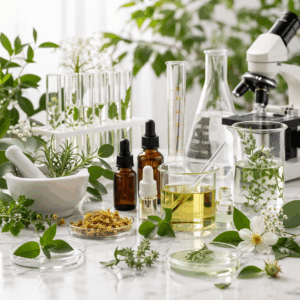
Are there any natural and safe preservatives to use?
Since publishing part I and part II of this series, I’ve had an overwhelming response from people wanting to know when part III would finally be out. It took longer than expected, because there are thousands of chemicals out there, and decent safety data for only a fraction of them. But safety alone is not enough. What’s the point of adding an ingredient if it doesn’t actually do the job it was intended to do? In other words, it’s not enough for something to merely sound safer on paper. It also has to work. That meant the research had to be done twice: once for safety, and once for efficacy.1
Last Updated: Apr 2026
Now that we’ve covered what some of the basic chemicals are in part I, and what the fancy new mixed chemicals with fancy new names are in part II, it’s time to discuss some of the ingredients that are commonly believed to be safe to use. I’ll share the studies with you that show which preservatives have shown they can be safe. I say “can be” not “are” safe, because there are still the following considerations:
1. Final amount used – things can be safe at lower concentrations but not in higher concentrations. Toxicology is dose-dependent, and even relatively benign compounds can become harmful at sufficient exposure levels.2
2. Interactions with other ingredients – sometimes two compounds can react and form a third. These secondary reactions are not always studied, and in some cases can result in unintended or harmful byproducts.
3. pH – many compounds will lower or raise pH, making the product unsafe to use. Alternately, some compounds are only effective preservatives within a narrow pH range, and outside of that range they may do very little to prevent microbial growth.3
4. Other ingredients – just because I list something here doesn’t mean that it will automatically behave like the chemical preservatives commonly found in personal care products. I am merely providing a list of natural preservatives that studies show are both effective and non-toxic at proper concentrations. How these are used can change things drastically, so use appropriately, and with caution.
5. Essential oil oxidation is almost never talked about, but it should be. Once essential oils begin to oxidize, many can transform into compounds that are significantly more irritating or even toxic. Proper handling, storage, and formulation matter.4
6. There is also the issue of purity of essential oils. Where you source your oils matters. Essential oils can be contaminated with residual solvents, pesticides, or other byproducts of processing depending on how they are produced and purified. Many are also diluted or “cut” with other oils to reduce cost, or because the pure oil is unstable on its own.5
First, and very importantly, some more disclaimers.
Different people have different allergies and sensitivities. Just because something has been supported as safe in lab experiments doesn’t mean an individual isn’t going to have a reaction. A person can be allergic to anything. I have formulated products for customers that are allergic to common things like food dyes, and uncommon things like beeswax.
The fact of the matter remains: there is no such thing as a perfect product. Every human body is different, and people will have different reactions to a specific product. That is exactly why there is a need for so many different products out there.
This is also why it’s important to disclose all ingredients if you’re selling products to others—so you don’t cause someone to have an adverse reaction. Some allergic reactions can be deadly.6
Second
There is a reason that major manufacturers use the soup of chemicals that they do. Consumers have come to expect a certain level of performance from their products. Purchase from your favorite brand, apply the product, and get the same feel, the same consistency, every single time. A “perfect” product, per se.
But for that product to remain consistent after shipping, and then sitting on a shelf for six months to a year, this is where the chemicals come in. Manufacturers formulate products specifically to prevent separation, oxidation, and most importantly, microbial growth from bacteria and fungus.7 And there is one more very important factor: cost. All of this has to be done as cheaply as possible. When you put that together, you start to realize this has been turned into an art—not exactly a science.
Rather than using ingredients that are safer but cost more and require reformulation, major manufacturers rely on standard, well-established base formulas. They tweak them slightly—just a dab of this, a dab of that—to create the appearance that products are different. But underneath, most of them still follow the same basic “chemical soup” structure designed to make the product look, feel, and smell appealing.
Instead of spending money on higher quality ingredients, much of that money is spent on marketing to convince consumers that the brand actually cares about them—when in reality, the priority is consistency, scalability, and profit. Or it’s spent paying celebrities to endorse the product. The end result is a product designed to sit on a shelf and behave predictably, not necessarily one designed to benefit your skin.
And over time, this creates a problem: consumers begin to expect that level of consistency. That expectation is difficult to meet with truly natural formulations. Which is why so many “all natural” brands eventually throw in the towel and add synthetic preservatives and stabilizers just to meet those expectations.
Third
There is something to be said about product safety, as products do expire. Mold and bacteria will find their way in, multiply, and can be potentially harmful.8 The easiest way to deal with this problem is to use chemicals that inhibit the growth of these microorganisms.
But one has to remember that our skin is alive, and chances are if something is toxic to bacteria and fungus, it may also be toxic—not just to our skin, but potentially to the rest of the body. Our skin is permeable, particularly to smaller and lipid-soluble molecules, meaning that certain chemicals can enter the bloodstream through the skin.9
At first, this can seem like a conundrum. It appears that you have no choice but to use toxic chemicals to prevent your product from spoiling, yet those same chemicals may pose risks. But this does not have to be the case. The real answer is three parts:
1. Prevent contamination in the first place – sterilize everything used in the formulation process, including the containers, and maintain as clean of an environment as possible. If you’re running a home-based business, this may mean investing in proper equipment to help control your environment. This is standard practice in laboratory settings for a reason.
2. Reformulate using safer alternatives – use preservatives that are less harmful, while still being effective. This takes more work, more research, and more testing—but it can be done. More on this shortly.
3. Control storage conditions – proper storage can significantly extend product stability. Refrigeration, reduced exposure to heat and light, and educating your customers on proper storage can make a major difference. I had plenty of customers complain about having to go to the kitchen for their face cream, but those complaints dropped once I started recommending a mini product refrigerator in the bathroom. Not convenient—but effective.
The Pink Elephant in the Room
As you have probably noticed, a huge problem has already appeared—and I haven’t even mentioned ingredients yet. There is a significant cost associated with proper equipment, proper storage, and an even larger cost associated with actually formulating a product correctly.
I know firsthand the amount of time and research it takes to formulate even a single product. When using natural preservatives, you cannot apply the same principles across every formulation like you can with many synthetic preservatives. Each product has to be formulated specifically for its intended use, taking into account consistency, pH, method of application, and a number of other variables.
This is exactly why major manufacturers don’t bother reformulating. It takes too much time, it costs too much money, and quite frankly, the consumer has not shown this to be a priority. So instead, they rely on standardized, “cookie cutter” formulas like those found here, and spend millions on advertising instead.
They create the perception that their products are safe and well thought out, when in reality they are optimized for consistency, shelf life, and profit. And perhaps most concerning of all, there are significant gaps in oversight when it comes to formulation transparency and long-term safety, especially in cosmetic products.10
It’s Possible!
Formulating real, natural products is not impossible—if one is willing to take the time. There are natural preservatives that can be used. Below is a list of some of them, along with research I was able to find to support their safety and effectiveness.
These are not as simple as adding 0.2% of some chemical X and calling it done. They require understanding, testing, and proper formulation. But they do demonstrate something important: toxic chemicals are not a requirement for making functional personal care products.
We can create products that are not only clean and healthy for our bodies, but also safe when properly formulated.11 For us—and for our planet.
One More Disclaimer…
As far as natural preservatives—or even just ingredients used for that matter—pH plays an important role in efficacy. One can’t just say that a certain compound, natural or otherwise, is effective in all circumstances of preserving something.
For example, studies showed that in the case of using sodium acid pyrophosphate or potassium sorbate, at a pH of 5.55, both preservatives inhibited germination and growth of Clostridium botulinum (a very deadly toxin if ingested). However, at a slightly higher pH of 5.85, these did not stop germination and growth.12 At the lower pH, either of these might only stop or slow cell division.
Bottom line: a slight difference in pH can make a big difference in the effectiveness of these preservatives. A properly calibrated pH meter is the only way to measure pH accurately enough to be safe.
The human skin serves as a barrier. It protects us from invaders such as bacteria and fungus, helps shield us from UV exposure, and prevents damage from environmental factors like water (which could dilute our cells) and air (which can cause desiccation and oxidation).
So why is pH important? Because if the product you make results in a pH that is too low—or too high—you can damage your skin. This can increase photosensitivity, leading to burns, or in more extreme cases, result in chemical burns.
pH matters. Investing in a proper tool to measure it is not just wise—it is necessary. This is especially true if you are formulating your own creams that have not been properly tested, such as recipes found on popular websites.
You generally want the final pH to be between 5.0 and 5.5 for optimal skin barrier function and for helping manage conditions such as irritant contact dermatitis, atopic dermatitis, ichthyosis, acne vulgaris, and Candida albicans infections.13
If you are planning on selling your creams, then I can’t stress the importance of proper pH enough. It would be wise to invest in a quality emulsion pH meter.
One last thing about pH. Some products—such as soap—are highly dependent on pH. If you attempt to adjust the pH of a true liquid soap, then it is no longer soap in the traditional sense. Soap exists because of a chemical reaction (saponification), and altering the pH too far disrupts that system.
Not to mention, once you bring the pH down into a lower range, you now have to start thinking about stabilizers and preservatives to prevent bacterial and fungal growth—problems that high-pH soap largely avoids on its own.14
For certain products like soap, having a higher pH is perfectly acceptable because you are only applying it temporarily to perform a specific function—cleaning—and then rinsing it off. You are not leaving it on your skin for extended periods of time.
Disclaimers aside, and not in any particular order… here are some potentially safe preservatives:
If you don’t find one of your favorites on this list, you can always check to see if an ingredient has GRAS (Generally Recognized As Safe) status by the FDA. You can view the full list here.
Just remember—being on the GRAS list does not automatically mean something has been thoroughly proven safe under all conditions. In many cases, GRAS status is based on existing data, historical use, or expert consensus, not necessarily extensive modern testing.15
Potassium Sorbate
One of my favorite preservatives happens to also be used in one of my favorite drinks: wine. Wine is made via the fermentation of sugars from grapes, using different yeast strains to produce different varieties. At the end of the process, once fermentation is complete, a common ingredient used to prevent further yeast growth is potassium sorbate.
Potassium sorbate is a salt derived from sorbic acid and has attained GRAS status. It is used in a variety of foods as a preservative, as well as in personal care products. I use it in some of the products I formulate, specifically those that contain Aloe Vera, as that is a particularly difficult natural ingredient to keep from spoiling.
However, it is important to note that the effectiveness of potassium sorbate is highly dependent on the final pH of the product. Studies show that potassium sorbate does not exhibit mutagenic effects under acidic conditions,16 and that it demonstrates low toxicity in both in vivo and in vitro models.17 When compared to benzalkonium chloride in nasal formulations, potassium sorbate showed significantly lower toxicity even at higher concentrations.18
Not only does pH matter, but concentration matters as well. One study found that pre-treatment of apples with a 40% potassium sorbate solution was most effective at preventing spoilage.19 In another study evaluating post-harvest brown rot in stone fruits, immersion in a potassium sorbate solution significantly reduced infection rates and microbial activity.20
Another study examined fungal growth and mycotoxin production. While potassium sorbate inhibited overall fungal growth, it did not inhibit toxin production—and in some cases, toxin production actually increased.21
While higher concentrations of potassium sorbate improve antimicrobial efficacy, there are limits. Studies exposing human lymphocytes to increasing concentrations showed that higher doses were associated with chromosomal damage, while lower concentrations were not.22
Similarly, when preservatives were tested at levels significantly above the acceptable daily intake (ADI), they were not found to be mutagenic, but did demonstrate genotoxic effects.23 While there is a difference between mutagenic and genotoxic, the takeaway is simple: concentration matters.
The recommended pH range for potassium sorbate is between 2 and 6.5, and the recommended concentration is typically 0.15–0.3% when used alone, or 0.1–0.2% when combined with other preservatives.24
Citric Acid
Another one of my favorite preservatives is citric acid (which also has GRAS status). But if you want non-GMO, look for the Non-GMO seal. Citric acid can be produced from natural sources such as lemons or limes, but it is more commonly produced through fermentation using fungi.25 These fungi are typically fed sugar sources such as corn or beets, which are often genetically modified.
Also, if you’re going to sell your product, you need to know your source. Some consumers, including certain vegans, may object to products derived from microbial fermentation. This is one of those ingredients where you must know exactly what you are buying.
Although citric acid was originally used somewhat inadvertently as a preservative, more studies are showing its efficacy. One study demonstrated that all tested staphylococci were susceptible to citrate at specific concentrations.26 Other studies have shown that dipping potatoes in a solution of ascorbic and citric acid prior to processing inhibited growth and toxin production by proteolytic Clostridium botulinum under certain storage conditions.27
Studies also show that when citric acid is combined with potassium sorbate, the combination can be more effective than sodium benzoate in the inactivation of resistant spores in grape juice.28 Similarly, citric acid combined with caprylic acid has demonstrated effectiveness against Escherichia coli O157:H7 and native microflora in carrot juice.29
Further studies are continuing to evaluate its role. For example, nisin combined with citric acid has shown effectiveness in preserving milk and may help address bacterial resistance.30
However, combining preservatives does not always result in a synergistic effect. One study showed that citrate salts were active against gram-positive bacteria and Candida albicans, while acetate salts showed the opposite pattern. Their combination, however, showed neither synergy nor antagonism.31
Citric acid may be effective at lower concentrations than ascorbic acid in certain applications.32 However, this is where chemistry starts to matter. Citric acid is a weak acid, meaning it does not fully dissociate in solution. It has three potential protons it can release, but how many are actually released depends on the pH of the system.
This is important, because when formulating with citric acid, you will notice that increasing the concentration does not produce a simple, linear change in pH. The relationship is more complex, and the final pH—and therefore preservative efficacy—depends on the entire formulation, not just the amount added.
So while citric acid can be used as a preservative, it is not possible to give a simple percentage-based recommendation. There are too many variables involved.
It is very important to note that pH is a major factor here. Knowing the final pH of your product will determine whether it is both safe and properly preserved.
Lastly, citric acid can contribute to photosensitivity under certain conditions, particularly when combined with UV exposure and other ingredients, so care should be taken when using it in products intended for sun exposure.
While I think citric acid is a great ingredient, it comes with a lot of considerations—pH, concentration, formulation interactions, and even sourcing. And don’t forget the source of the citric acid itself.
Cinnamon
Who doesn’t love the smell of cinnamon? The nurse I used to work with who was terribly allergic. I actually felt bad for her as cinnamon is just so pleasant, but figured it was karma because she was such a mean nurse. All jokes aside, few people will argue against cinnamon, and it certainly is one of my favorite scents.
But is it effective as an antimicrobial? Anti-fungal? And is it safe?
This section is focused on using cinnamon in toothpastes and tooth powders. I do not recommend cinnamon for use on the skin.
Studies going all the way back to 1995 show cinnamon to have efficacy against foodborne bacteria. Cinnamon has also demonstrated activity against certain fungal pathogens, with cinnamon oil generally showing greater effectiveness than cinnamon powder.33
Various studies have explored combinations of cinnamon with other natural compounds, often showing enhanced antimicrobial activity.34 This led to further research isolating cinnamon’s active compounds and comparing their effectiveness.35
Some studies have even evaluated cinnamon oil in vapor form, demonstrating antimicrobial activity in that state,36 as well as its use in modified atmosphere environments.37
There is no shortage of studies showing that cinnamon can be effective against bacteria and fungi. The real question is not whether it works—but whether it is appropriate and safe for how you intend to use it.
Cinnamon — Safety & Considerations
Since cinnamon is often used in products like toothpaste—where small amounts may be ingested—the question becomes: is it safe?
Cinnamon does have GRAS status, and it has a long history of use in food. However, that does not automatically mean it is safe under all conditions or at all concentrations.
One study showed a slight decrease in kidney and liver weight in rats treated with higher doses of cinnamon extract, suggesting that while toxicity is relatively low, it is not nonexistent.38
There is also the issue of coumarin. Cinnamon—especially cassia cinnamon—can contain up to 1% coumarin, which is known to be hepatotoxic at sufficient doses. Studies show that coumarin from cinnamon is readily absorbed, meaning intake can accumulate if not monitored.39
While toxicity studies are somewhat limited, high-dose exposure has been associated with potential liver and kidney effects in animal models.40
Looking more closely at cinnamon’s active compound—cinnamaldehyde—it becomes clear that cinnamon is not entirely benign. Cinnamaldehyde is a known irritant. Occupational exposure studies have shown that workers exposed to cinnamon dust experienced symptoms such as skin irritation, respiratory issues, and eye discomfort.41
There is also concern regarding inhalation exposure. Studies examining cinnamaldehyde in heated environments (such as vaporized products) suggest it may affect cellular processes related to cardiac excitability. While this may not directly apply to most personal care formulations, it is something to consider when heating cinnamon-containing mixtures.
My biggest interest was whether cinnamon contributes to conditions like contact dermatitis, particularly in oral care products. Unfortunately, the data is limited. One study suggested that standard patch testing may not reliably detect sensitivities to cinnamon compounds, making diagnosis more difficult.42
Another review of toothpaste-related allergies found that while cases exist, it is often difficult to isolate the exact ingredient responsible due to the complexity of formulations.43
While I did not find overwhelming evidence of toxicity under normal use conditions (aside from the coumarin concern), that does not mean cinnamon is completely safe. Lack of data does not equal safety—it simply means we don’t fully know.
Given cinnamon’s long history of human use, along with strong evidence of antimicrobial activity, I personally would take my chances with cinnamon over many synthetic alternatives—provided I was not sensitive to it, and I was mindful of dose, source, and application.
Thymol – Thyme
I love cooking with thyme, a relative of the oregano genus. It’s one of my favorite spices that I add to almost everything—from meats to vegetables, and especially in homemade soups.
Thymol, which is found in thyme oil, doesn’t mix well with water, but it does offer antiseptic activity. Historically, it has been used for treating skin infections, small wounds, and even gingivitis.44
As more research is conducted on thymol and its related compound carvacrol (found in oregano, thyme, and similar plants), interest has grown in their use in natural personal care products. Studies have demonstrated antimicrobial, antioxidant, anti-inflammatory, and even potential therapeutic effects across multiple systems.45
There is no shortage of research on thyme and thymol. In one study, thyme essential oil showed greater antimicrobial inhibition than clove or cinnamon oils.46 Other studies have even explored its use as an herbicide.47
However, as with everything else—dose matters. Lower concentrations may have little to no antimicrobial effect, while higher concentrations can significantly reduce bacterial populations.48
Studies have also shown synergistic effects when thymol is combined with other natural compounds. For example, combining cinnamaldehyde with carvacrol and thymol resulted in greater antimicrobial activity at lower concentrations than when used individually.49
There is strong evidence that thymol is effective. The real question, as always, is not whether it works—but whether it is safe and appropriate for how it is being used.
Thymol — Safety & Considerations
How thymol works as an antibacterial is still being explored. Some studies suggest its effects are due to disruption of the cytoplasmic membrane, while others propose oxidative stress mechanisms involving free radical formation.50
The concern is that these same mechanisms—membrane disruption and oxidative stress—are not exclusive to bacteria. They can also affect human cells.
Some studies show relatively mild cytotoxic effects with no DNA damage, and even antioxidant behavior under certain conditions.51 However, other studies report cellular damage, including mitochondrial disruption, apoptosis, and structural degeneration depending on concentration and exposure time.52
Additional research has shown chromosomal abnormalities in animal models at certain concentrations of carvacrol and thymol.53
Interestingly, thymol has demonstrated selective cytotoxicity in some cancer cell lines while sparing normal cells, suggesting complex biological interactions depending on cell type.54
There is also evidence that thymol can increase skin permeability, which may enhance absorption of other compounds.55 While this can be useful in drug delivery systems, it raises concerns when used in everyday personal care formulations.
It seems that dose, exposure time, and cell type all play critical roles. Some researchers have suggested that thymol and carvacrol can exhibit both protective and damaging effects depending on these variables.56
As a side note, it is important to distinguish between ingestion and dermal exposure. When ingested, compounds are metabolized by the digestive system and liver before entering systemic circulation. When absorbed through the skin, these metabolic safeguards are reduced or bypassed entirely.
Lastly, thymol does not dissolve well in water and is more soluble in alcohol. However, alcohol itself can be harsh on the skin. Some studies suggest that specific emulsions may mitigate this, but more research is needed.57
Based on the available research, thymol appears promising as an antimicrobial and antifungal agent. However, I could not find enough conclusive safety data to confidently say it is completely safe—nor enough to say it is unsafe.
And that’s really the theme of this entire article: lack of evidence of harm does not equal safety—it means we still have more to learn.
Personally, I would still consider thymol over many synthetic preservatives—but with caution, proper formulation, and respect for its complexity.
Geranium essential oil
I found it difficult to research geranium, but only because there are over 400 species of geranium, and there’s little research that separates the different kinds.
One study suggests that germanium extract promotes hair growth in vitro and in vivo by regulating growth factors and cellular response.53
One study found that administration of the Geranium shiedeanum extract significantly reduced the adverse effect of ethanol on liver regeneration.54 Another study found that geranium essential oil may have significant potential for the development of novel anti-inflammatory drugs with improved safety profile55
One thing to consider is a study that found that cutaneous application of essential oils, especially geranium oil, can suppress the inflammatory symptoms such as neutrophil accumulation and edema.56
But is it effective against bacteria or fungi?
One study measured geranium as being second to cinnamon oil in its effectiveness against environmental strains of the bacteria Acinetobacter baumannii.57 Another study found that Geranium oil from Pelargonium graveolens (a very uncommon species) has strong activity against all of the clinical S. aureus bacteria — including multi-drug resistant strains, MRSA strains and MLSB-positive strains.58 *Note, this was one type of Geranium species, and recall there are over 400. And this is an uncommon species.
There are four major constituents in geranium. I say “major” because there are actually quite a few constituents; over 300 that I could find, but most of them are in smaller quantities. The four major constituents are citronellol at 28%, geraniol at 16%, citronellyl fomate at 10.4%, and linalool at 6.45%. In topical applications for insectitdal activity, cironellol and geraniol were the most potent. Linalool and citronellyl were less toxic – when isolating them individually. Geranium essential oil as a whole is less toxic than many of the individual constituents. However, removal of any of the four constituents decreased antimicrobial effectiveness, with citronellol removal producing the greatest change.59
Whenever you have a compound that is toxic to another living organism, including insects, you have to ask yourself if it is also toxic to humans. Insects and humans may be very different, but we use many of the same biological pathways on the cellular and molecular level.
One study of geranium macrorrhizum extract indicated both anti-oxidant and pro-oxidant action, presumably due to the formation of quinoidal products. The study also found that geranium macrorrhizum extracts are also abundant in quercetin-derived components.60 Quercetin is a flavanol found in many foods, which has been found to have many biological effects, including antioxidant activity.
I have kept geranium on this list because I couldn’t find enough toxicity data to remove it, and also because each ingredient takes days to research and I’d hate for all this research to not be shared. But there is still an issue with using it, due to the large number of species of geranium and the great number of constituents that make up geranium oil. Some of these may have very useful and beneficial effects, but many others may have concerning toxic effects. While smaller concentrations of toxic constituents might go unnoticed, if using something daily, these could build up. To properly evaluate all of these species and constituents would require extensive additional research. I personally do not have the time (or funding) to research all those constituents nor do I have time to review each species. For these reasons, I have delayed the choice to use geranium essential oil in any of my products, but am certainly considering it based on the information I’ve so far found.
Rosemary
I know few people who do not enjoy the woody, perennial scent of rosemary. But it seems that few people know that rosemary is actually a member of the mint (Lamiaceae) family, or that it’s considered an invasive species in some parts of the world. Then again, cats are also considered invasive in some places, and there’s certainly no shortage of cat lovers.
Rosemary has many uses. One of my favorites is keeping it in the garden among my other plants, as rosemary has been shown to repel spider mites.61
Rosemary contains a number of phytochemicals, including rosmarinic acid, camphor, caffeic acid, ursolic acid, betulinic acid, carnosic acid, and carnosol. Rosemary essential oil contains approximately 10–20% camphor.62 With such a combination of constituents, it’s no surprise there are many studies showing rosemary to be both antimicrobial and antifungal. However, studies suggest that its effectiveness is due to the combined—and likely synergistic—effects of multiple constituents, rather than any single dominant compound.63
Not only is rosemary useful in the garden, but it also performs well in food and personal care applications. Studies suggest that rosemary extract can protect against oxidative DNA damage by scavenging free radicals such as hydroxyl radicals and singlet oxygen.64 It is even being studied for potential inhibition of human cancer cell lines, with some research suggesting it could play a role in anti-cancer dietary strategies when used appropriately.65
There are so many studies on rosemary that it becomes overwhelming. So I focused primarily on antimicrobial efficacy and cytotoxicity. In short, studies show rosemary to be effective against both gram-positive and gram-negative bacteria.66 Some studies suggest rosemary interferes with cellular division processes, and at certain concentrations can completely inhibit germination in plant models.67
With such versatility in supporting human health, it’s tempting to assume it must be completely safe.
But again—dose and application matter.
Studies show that 24 hours after oral administration of rosemary oil to Swiss mice at concentrations of 300, 1000, or 2000 mg/kg, all three doses resulted in increased DNA damage. At the higher doses, there was also a significant increase in micronucleated cells and chromosomal abnormalities, suggesting genotoxic and mutagenic effects at sufficiently high concentrations.68
To put that into perspective: for a 150 lb (≈68 kg) individual, even the lowest tested dose (300 mg/kg) would equate to over 20 grams of rosemary essential oil—roughly 4–5 teaspoons. The higher doses would require dramatically more. In other words, you would have to consume an unrealistic amount to approach those levels.
This reinforces a recurring theme: almost anything can become toxic at a high enough concentration.
Another commonly discussed concern is rosemary’s potential effect on fertility and pregnancy. Studies have explored this as well. In one study, lower doses of rosemary extract did not significantly affect body weight, organ function, or reproductive parameters. However, higher doses showed measurable physiological changes, suggesting a possible anti-fertility effect under certain conditions.69
Additional studies using even higher doses showed reduced fetal body weight and signs of anemia in animal models.70
Again, these are high-dose studies—but they highlight the importance of understanding concentration, exposure, and application.
Unless new research emerges showing toxicity at much lower concentrations, rosemary will remain in my product line.
Patchouli
When it comes to the smell of patchouli, you either love it or you hate it—there is usually no in between. And if you hate it, you don’t want to be in my lab when I’m making patchouli oatmeal soap, because even with a mask on, the scent is overpowering. Don’t get me wrong, I like patchouli—in small doses.
Like rosemary, patchouli is also a member of the mint (Lamiaceae) family. And like rosemary, there is no shortage of antimicrobial and antifungal studies supporting its use.
But patchouli offers more than that. Studies suggest it may have potential as an anti-influenza agent, showing protective effects in mouse models against viral infection at certain doses.71 Other studies have explored its use as a termiticide, demonstrating activity against pests.72
But is it safe?
While patchouli oil is widely used in fragrances and personal care products, I was not able to find well-designed studies evaluating safety in terms of concentration and dosage relevant to real-world topical use. Most of the available data focuses on general toxicity or isolated biological effects, rather than practical formulation safety.
So for now, until better data is available, patchouli stays on my “safe list”—with the understanding that it should be used in moderation, and with the same level of caution applied to everything else discussed in this article.
Bee Propolis
Propolis is known for its role in protecting the hive, offering both antibacterial and antifungal properties. There are even studies proposing its use as a natural additive in foods such as orange juice.
Recent research, however, suggests a shift in how we understand its function. It was once believed that bees primarily used propolis for its antimicrobial properties. Newer perspectives suggest that bees may use it more as an entombing or sealing compound—similar to covering an unwanted intrusion to isolate it from the rest of the hive.
That said, propolis does demonstrate antimicrobial activity. One study showed that a 4% aqueous extract produced more than 50% inhibition against all tested microorganisms.73 However, not all propolis is the same. Its antimicrobial activity varies depending on the specific sample, concentration, and extraction method. In fact, studies show that activity can continue increasing with concentration without reaching a clear plateau.74
It is also important to understand that propolis composition varies from colony to colony. Bees collect materials from their environment, meaning the final composition depends heavily on geography and available plant sources. It’s like building a house—some areas offer oak, others offer juniper. Bees don’t have a Home Depot to standardize their materials.
Because of this variability, determining safety is not straightforward. Bees will forage where food is available, and beekeepers have limited control over what ultimately ends up in the propolis or beeswax.
Many people don’t realize that locally sourced beeswax often still contains residual propolis, especially when minimally processed. In contrast, commercial beeswax is typically refined and bleached, removing much of the original material. The advantage of local sourcing is transparency—you can ask questions, see the bees, and better understand your source. The downside is the potential for environmental contamination, including pesticide residues.75
Contaminants are a significant concern. These can originate from both the environment and beekeeping practices. Environmental contaminants may include heavy metals (such as lead, cadmium, and mercury), radioactive isotopes, organic pollutants, pesticides, pathogenic bacteria, and even genetically modified organisms. Beekeeping itself can introduce additional substances, including acaricides used to control mites, antibiotics such as tetracyclines and sulfonamides, and other chemical agents used for hive maintenance.76
These are all important considerations when selecting a source of propolis or beeswax.
While I was not able to find strong evidence showing pure propolis to be cytotoxic, finding a truly clean and consistent source requires significant effort—asking the right questions, understanding the beekeeper’s practices, and remaining vigilant about sourcing over time.
Vitamin E — AKA Alpha Tocopherol
Vitamin E sounds natural and innocent enough, but I first need to clarify which form I am referring to—alpha tocopherol, usually abbreviated as α-tocopherol. The type of vitamin E does make a difference.
Natural vitamin E is typically labeled as d-alpha tocopherol, d-alpha tocopherol acetate, or d-alpha tocopherol succinate. It may also appear as “mixed tocopherols,” which include not only alpha but also beta, gamma, and delta tocopherols, and are derived from plant sources. In contrast, synthetic vitamin E is labeled with a “dl-” prefix and is produced through chemical synthesis, often from petroleum-derived intermediates.
When comparing natural versus synthetic forms, studies suggest that natural vitamin E is more biologically active and better utilized by the body.77 Not to mention, synthetic vitamin E does not align with the philosophy behind our products here at Nature’s Complement.
However, vitamin E is not included here as a preservative, but rather as an antioxidant. Its primary role is to slow oxidation and help keep oils from going rancid. Vitamin E is widely used in both food and personal care products for this purpose, particularly in oil-based formulations.78
Tocopherols in general have GRAS status, but you still need to be mindful of the source. Many vitamin E products—even natural ones—are derived from soybeans, and the majority of soy produced today is genetically modified.
If that matters to you, then read your labels carefully and look for d-alpha tocopherol that is verified non-GMO.
Tea Tree Oil
Tea tree oil, also known as Melaleuca oil (Melaleuca alternifolia), has been widely promoted in the natural community as an antimicrobial, antifungal, and anti-itch agent. I personally enjoy the herbal scent—it’s one of those oils that is instantly recognizable.
Tea tree oil has had some controversy regarding its use as an acne treatment. However, studies have shown that at a 5% concentration, it was more effective than placebo.78,79 It has also been investigated as a treatment option for scabies, especially with increasing resistance to drugs such as ivermectin. Studies suggest that at similar concentrations, it demonstrated effectiveness comparable to conventional treatments.80,81
There are numerous studies showing that essential oil from M. alternifolia strongly inhibits the growth of microorganisms, including Escherichia coli, Staphylococcus aureus, Pseudomonas aeruginosa, and various fungal species.82,83
Mechanistically, tea tree oil contains a monoterpene called terpinen-4-ol, which is believed to be largely responsible for its antimicrobial activity.84 It works by disrupting microbial cell membranes and increasing permeability, ultimately leading to cell death.85
But given how effective it is at killing microbes—and even parasites—does that mean it can also harm human cells?
Tea tree oil is a complex mixture of over 100 compounds, and its safety profile is not fully understood. There have been reports of toxicity following ingestion of large amounts, including a case where ingestion of approximately half a cup resulted in coma and prolonged altered consciousness. In that case, the purity and composition of the oil were unknown.86
Standards do exist to help regulate composition. Typically, tea tree oil should contain at least 30% terpinen-4-ol and no more than 15% 1,8-cineole, as higher levels of certain compounds are associated with increased toxicity.
In reviewing toxicological data, there is surprisingly limited high-quality research. A commonly cited review suggests that while data is limited, decades of anecdotal use indicate that topical application is generally safe, with adverse effects being mild, infrequent, and self-limiting. However, irritation can occur at higher concentrations, and allergic reactions are often linked to oxidation products formed when the oil is exposed to air and light.87
So essentially, much of the “evidence” for safety comes from long-term use—not from robust, controlled studies. That’s not exactly a gold standard for safety evaluation.
I wasn’t satisfied with that, so I kept digging. One more recent study examined the effects of tea tree oil on swine sperm cells. While not human cells, the results were interesting. At 0.6 mg/mL, no significant effects were observed, but at higher concentrations, the oil caused increasing impairment in a dose-dependent manner.88
Other studies have explored agricultural uses, such as controlling ticks in poultry environments, with some positive outcomes.
So is tea tree oil safe? More research is clearly needed.
Until better data is available, I personally would not use it topically at concentrations higher than 0.6 mg/mL, and I would strongly advise against ingesting it (we’re not chickens).
That said, as an antimicrobial and antifungal agent, it does appear to be effective—just be mindful of the concentration being used.
Caprylyl Glycol
Caprylyl glycol is one of those ingredients that doesn’t get much attention, but probably should. It’s not technically a preservative on its own, but rather what is often referred to as a “preservative booster.”90
It works by disrupting microbial cell membranes, making it more difficult for bacteria and fungi to survive.90 On its own, it is not sufficient to fully preserve a product, but when combined with other ingredients, it can significantly enhance the overall preservation system.
This is an important concept: not everything has to do everything. Some ingredients play supporting roles, and caprylyl glycol is a good example of that.
From a safety standpoint, caprylyl glycol is generally considered low toxicity and is widely used in personal care formulations.89 However, as with everything else discussed in this article, concentration and formulation matter.
This is one of the few ingredients that starts to move us away from the idea of a single “magic preservative” and toward what actually works in practice—a system of ingredients working together.
Colloidal Silver
Colloidal silver is one of the more controversial ingredients in the natural space. It has well-documented antimicrobial properties and has been used historically for its ability to inhibit bacterial growth.91
From an effectiveness standpoint, there is little question that silver can act as an antimicrobial agent. The real question is safety.
Most of the concerns surrounding silver come from ingestion, particularly with long-term use. Cases of argyria—a condition that causes a blue-gray discoloration of the skin—have been documented with excessive intake.92
When it comes to topical use, however, the data is much more limited. There is not a large body of high-quality research evaluating long-term safety in topical formulations, especially at the concentrations typically used in personal care products.91
So where does that leave us?
It leaves us in a familiar place: limited data, mixed conclusions, and a need for caution.
Personally, I view colloidal silver as effective, but not fully understood. It may have a place in certain formulations, but it is not something I would use blindly or without careful consideration of concentration and exposure.
And that brings us back to the same conclusion we keep running into throughout this entire article—lack of evidence of harm does not equal safety.
That’s Not All Folks
After revisiting this article years later, I realized something important—I didn’t actually give you a clear list of preservatives that are definitively “safe.”
And that wasn’t an accident.
Because the more I researched, the more I realized that the idea of a single “safe” preservative is flawed. What matters is not just the ingredient, but the concentration, the formulation, the pH, the storage conditions, and how all of these variables interact.
There are ingredients that show promise. There are systems that can work. But there is no shortcut. There is no one-size-fits-all answer where you can just add 0.2% of something and call your product safe and preserved.
That is the difference between formulating a product—and following a recipe.
This is still a much shorter list than I originally intended. I have a long list of additional ingredients that I have researched but have not yet written in a format that is readable and useful. As you’ve seen, this is a time-consuming process that takes months to properly evaluate.
Because of the number of requests for this article, I chose to publish what I had, with the intention of continuing both the research and the writing over time.
So yes—there is more to come.
For Health,
Tober
References
1 U.S. Food and Drug Administration. Microbiological Safety and Cosmetics. FDA. Updated October 15, 2024. Accessed April 5, 2026.
2 Klaassen CD, Watkins JB. Casarett & Doull’s Essentials of Toxicology. 4th ed. McGraw-Hill; 2021. (Principle: “the dose makes the poison”).
3 Lundov MD, Moesby L, Zachariae C, Johansen JD. Contamination versus preservation of cosmetics: a review on legislation, usage, infections, and contact allergy. Contact Dermatitis. 2009;60(2):70–78.
4 Sköld M, Börje A, Harambasic E, Karlberg AT. Contact allergens formed on air exposure of essential oils. Contact Dermatitis. 2006;54(1):32–41.
5 International Organization for Standardization (ISO). ISO 9235: Aromatic natural raw materials — Vocabulary. Updated guidance on purity, adulteration, and labeling of essential oils.
6 Simons FER, Ardusso LRF, Bilo MB, et al. World Allergy Organization Guidelines for the Assessment and Management of Anaphylaxis. World Allergy Organization Journal. 2011;4(2):13–37.
7 Lundov MD, Moesby L, Zachariae C, Johansen JD. Contamination versus preservation of cosmetics: a review on legislation, usage, infections, and contact allergy. Contact Dermatitis. 2009;60(2):70–78.
8 Lundov MD, Moesby L, Zachariae C, Johansen JD. Contamination versus preservation of cosmetics: a review on legislation, usage, infections, and contact allergy. Contact Dermatitis. 2009;60(2):70–78.
9 Bos JD, Meinardi MMHM. The 500 Dalton rule for the skin penetration of chemical compounds and drugs. Experimental Dermatology. 2000;9(3):165–169.
10 U.S. Food and Drug Administration. Cosmetics Laws & Regulations. FDA. Updated 2024. Accessed April 2026.
11 Herman A. Antimicrobial ingredients as preservative booster and components of self-preserving cosmetic products. Current Microbiology. 2019;76(6):744–754.
12 Wagner MK, Busta FF. Influence of a Minimal Change in pH on Germination of Clostridium botulinum 52A in Media Containing Sodium Acid Pyrophosphate and Potassium Sorbate. J Food Prot. 1985;48(8):693-696.
13 Schmid-Wendtner MH, Korting HC. The pH of the Skin Surface and Its Impact on the Barrier Function. Skin Pharmacol Physiol. 2006;19(6):296–302.
14 Korting HC, Braun-Falco O. The effect of detergents on skin pH and its consequences. Clin Dermatol. 1996;14(1):23–27.
15 U.S. Food and Drug Administration. Generally Recognized as Safe (GRAS). FDA. Updated 2024. Accessed April 2026.
16 EFSA Panel on Food Additives and Nutrient Sources Added to Food. Re-evaluation of sorbic acid (E200) and potassium sorbate (E202). EFSA Journal. 2015.
17 WHO. Evaluation of certain food additives: sorbic acid and its salts. WHO Food Additives Series.
18 Graf P. Adverse effects of benzalkonium chloride in nasal sprays vs alternative preservatives. Allergy. 1995.
19 FDA. Bad Bug Book: Foodborne Pathogenic Microorganisms and Natural Toxins Handbook.
20 Mari M, et al. Control of postharvest diseases of fruit by potassium sorbate treatments. Postharvest Biology and Technology.
21 Brul S, Coote P. Preservative agents in foods: mode of action and microbial resistance mechanisms. Int J Food Microbiol.
22 Mamur S, et al. Genotoxicity of food preservative potassium sorbate in human lymphocytes. Cytotechnology. 2010.
23 Mpountoukas P, et al. Cytogenetic evaluation of food preservatives at high concentrations. Food Chem Toxicol. 2008.
24 Rowe RC, et al. Handbook of Pharmaceutical Excipients. 6th ed. Pharmaceutical Press.
25 Soccol CR, et al. Citric acid production by fermentation. Food Technology and Biotechnology. 2006.
26 Bevilacqua A, et al. Antimicrobial activity of organic acids against foodborne pathogens. Food Control. 2010.
27 Peck MW, et al. Inhibition of Clostridium botulinum by organic acids in processed foods. J Food Prot.
28 Splittstoesser DF, et al. Inactivation of ascospores in fruit juices by preservatives. J Food Sci.
29 Raybaudi-Massilia RM, et al. Combined effects of citric acid and antimicrobials on E. coli in foods. Food Control.
30 Delves-Broughton J. Nisin and its application as a food preservative. Int J Dairy Technol.
31 Alakomi HL, et al. Weak organic acids as antimicrobial agents. Int J Food Microbiol.
32 Brul S, Coote P. Preservative agents in foods: mode of action and microbial resistance. Int J Food Microbiol.
33 Smith-Palmer A, et al. Antimicrobial properties of plant essential oils. J Appl Microbiol. 1995.
34 Burt S. Essential oils: their antibacterial properties and potential applications. Int J Food Microbiol. 2004.
35 Ooi LS, et al. Antimicrobial activity of cinnamaldehyde and derivatives. J Appl Microbiol.
36 Lopez P, et al. Vapor-phase antimicrobial activity of essential oils. J Food Prot.
37 Gill AO, Holley RA. Mechanisms of antimicrobial action of essential oils. Int J Food Microbiol.
38 Subash Babu P, et al. Toxicological evaluation of cinnamon extract. Food Chem Toxicol.
39 Abraham K, et al. Coumarin in cinnamon: exposure and hepatotoxicity. Mol Nutr Food Res. 2010.
40 Jayaprakash GK, et al. Biological effects of cinnamon extract at high doses. Food Chem.
41 Liyanage IK, et al. Occupational exposure to cinnamon dust and associated health effects. Occup Med.
42 White IR, et al. Patch testing and allergic reactions to cinnamon compounds. Contact Dermatitis.
43 Sainio EL, et al. Contact allergies to toothpaste ingredients: a review. Contact Dermatitis.
44 Marchese A, et al. Antimicrobial activity of thymol: A review. Food Chemistry. 2016.
45 Bakkali F, et al. Biological effects of essential oils – A review. Food Chem Toxicol. 2008;46(2):446–475.
46 Soković M, et al. Antimicrobial effects of spices and essential oils. Food Chemistry. 2007.
47 Vokou D, et al. Effects of essential oils on seed germination and plant growth. Journal of Chemical Ecology. 2003.
48 Ultee A, et al. Mechanisms of action of carvacrol on food-borne pathogens. Applied and Environmental Microbiology. 2002.
49 Helander IM, et al. Synergistic antimicrobial effects of cinnamaldehyde with thymol and carvacrol. Journal of Agricultural and Food Chemistry. 1998.
50 Lambert RJW, et al. Mechanisms of antimicrobial action of essential oil components. Journal of Applied Microbiology. 2001.
51 Llana-Ruiz-Cabello M, et al. Cytotoxic effects of carvacrol and thymol on human cells. Food Chem Toxicol. 2014.
52 Aristatile B, et al. Cytotoxic effects of oregano oil components on intestinal cells. Toxicology Reports. 2016.
53 Aydin S, et al. Genotoxic effects of thymol and carvacrol in vivo. Cytotechnology. 2015.
54 Slamenova D, et al. Thymol-induced apoptosis in cancer cells. Neoplasma. 2009.
55 Ahad A, et al. Transdermal delivery enhancement using thymol. Drug Development and Industrial Pharmacy. 2009.
56 Nostro A, et al. Effects of oregano oil components depending on dose and exposure. Journal of Applied Microbiology. 2007.
57 Manconi M, et al. Formulation of herbal emulsions and skin compatibility. Colloids and Surfaces B. 2011.
61 Isman MB. Plant essential oils as pest control agents. Crop Protection. 2000.
62 Boutekedjiret C, et al. Composition of rosemary essential oil. Food Chemistry. 2003.
63 Bozin B, et al. Antimicrobial and antioxidant properties of rosemary oil. Food Chemistry. 2007.
64 Aherne SA, O’Brien NM. Dietary flavonols: antioxidant effects. Nutrition. 2002.
65 Yesil-Celiktas O, et al. Anticancer activity of rosemary extracts. Food Chemistry. 2010.
66 Moreno S, et al. Antimicrobial activity of rosemary extracts. Journal of Food Protection. 2006.
67 Vokou D, et al. Effects of essential oils on plant germination. Journal of Chemical Ecology. 2003.
68 Ribeiro-Santos R, et al. Toxicological effects of rosemary essential oil. Food Chemistry. 2015.
69 de Oliveira JR, et al. Reproductive effects of rosemary extract in animal models. Phytotherapy Research. 2009.
70 Al-Sereiti MR, et al. Pharmacology of rosemary. Indian Journal of Experimental Biology. 1999.
71 Li YC, et al. Antiviral activity of patchouli oil against influenza virus. Phytomedicine. 2012.
72 Zhu BC, et al. Insecticidal activity of patchouli oil components. Journal of Agricultural and Food Chemistry. 2003.
73 Kujumgiev A, et al. Antibacterial, antifungal and antiviral activity of propolis. Journal of Ethnopharmacology. 1999.
74 Bankova V, et al. Chemical diversity of propolis and its biological activity. Apidologie. 2000.
75 Bogdanov S. Contaminants of bee products. Apidologie. 2006.
76 Bogdanov S. Beeswax: production, properties, composition and control. Bee Product Science. 2009.
77 Traber MG, Burton GW. Vitamin E: antioxidant and nothing more. Free Radical Biology and Medicine. 2007.
78 Shahidi F, Zhong Y. Lipid oxidation and improving the oxidative stability. Chemical Society Reviews. 2010.
78 Enshaieh S, et al. The efficacy of 5% tea tree oil gel in mild to moderate acne. Indian Journal of Dermatology. 2007.
79 Bassett IB, et al. A comparative study of tea tree oil versus benzoyl peroxide in acne. Med J Aust. 1990.
80 Walton SF, et al. Tea tree oil in the treatment of scabies. Arch Dermatol.
81 Carson CF, et al. Antimicrobial activity of tea tree oil. Clin Microbiol Rev. 2006.
82 Hammer KA, et al. Antimicrobial activity of Melaleuca alternifolia oil. J Appl Microbiol.
83 Carson CF, Riley TV. Mode of action of tea tree oil. J Appl Microbiol.
84 Cox SD, et al. Role of terpinen-4-ol in antimicrobial activity. J Appl Microbiol.
85 Gustafson JE, et al. Mechanisms of tea tree oil antimicrobial action. Lett Appl Microbiol.
86 Bishop JF, et al. Toxicity of tea tree oil ingestion. Med J Aust. 1994.
87 Hammer KA, et al. Toxicity and safety of tea tree oil. Contact Dermatitis. 2005.
88 Fratini F, et al. Effects of essential oils on spermatozoa viability. Reprod Domest Anim. 2014.
89 Cosmetic Ingredient Review (CIR). Safety Assessment of Caprylyl Glycol as Used in Cosmetics. International Journal of Toxicology. 2012.
90 Herman A. Antimicrobial ingredients as preservative boosters in cosmetic products. Current Microbiology. 2019;76(6):744–754.
91 Lansdown ABG. A pharmacological and toxicological profile of silver as an antimicrobial agent in medical devices. Advances in Pharmacological Sciences. 2010.
92 Drake PL, Hazelwood KJ. Exposure-related health effects of silver and silver compounds: a review. Annals of Occupational Hygiene. 2005;49(7):575–585.
Nature's Complement is a participant in the Amazon Services LLC Associates Program, an affiliate advertising program. If you purchase products on Amazon through any of our affiliate links, we get a small percentage of the transaction, at no extra cost to you. We spend a lot of time writing the articles on this site, and all this information is provided free of charge. When you use our affiliate links, you support the writing you enjoy without necessarily buying our products. (However we would appreciate if you would do that too!) Thank you for helping to support our work, however you choose to do so.
These statements have not been evaluated by the Food and Drug Administration. This information and/or products are not intended to diagnose, treat, cure or prevent any disease.